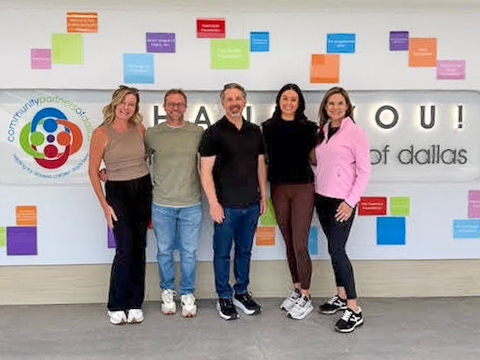
Audare Give Back Day with Community Partners of Dallas
The Audare team volunteered at Community Partners of Dallas, preparing school supplies and…
Traditional legacy planning concentrates on asset transfer—estate structures, tax optimization, succession timelines. While these technical elements remain important, they address only the mechanical aspects of generational transition. The deeper question is what, beyond assets, deserves preservation and transmission across generations.
Research on multi-generational families reveals a stark pattern: families who focus primarily on wealth preservation lose both wealth and cohesion within two to three generations. Conversely, families who build legacies around shared purpose often discover that financial success follows naturally from values-driven decision-making and collaborative engagement.
The distinction lies in understanding legacy as dynamic rather than static. Living legacies evolve across generations while maintaining core principles, creating frameworks for continuous growth rather than simple preservation of existing accomplishments.
Purpose provides organizational clarity that financial resources alone cannot offer. When families operate from shared purpose, individual decisions align naturally with collective objectives, creating coherence across diverse activities and time horizons.
Decision-Making Clarity
Families with clearly articulated purpose find that many complex decisions become straightforward when evaluated against core values and long-term objectives. This clarity accelerates decision-making while ensuring consistency across generations and circumstances.
Resource Allocation Guidance
Purpose-driven families allocate time, attention, and financial resources more effectively because they can distinguish between opportunities that advance their mission and those that merely offer attractive returns or experiences.
Relationship Building Foundation
Shared purpose creates natural foundations for family relationships and external partnerships. People gravitate toward meaningful purposes, creating networks and collaborations that extend family influence beyond financial resources.
Succession Planning Integration
When legacy centers on purpose rather than assets, succession planning becomes leadership development rather than simple transfer planning. This approach prepares rising generations to advance family purposes rather than simply managing inherited resources.
Our commitment to educational opportunity illustrates how purpose-driven legacy building creates expanding impact over time. This focus demonstrates several characteristics that define sustainable legacies.
Generational Relevance
Educational opportunity remains relevant across generations and changing circumstances. While specific educational needs and approaches evolve, the fundamental commitment to expanding human potential through learning maintains meaning across decades and centuries.
Personal Connection
Family members can develop personal connections to educational opportunity through their own learning experiences, professional activities, and community involvement. This personal engagement strengthens commitment while creating diverse pathways for contribution.
Measurable Impact
Educational outcomes provide clear metrics for assessing legacy impact—graduation rates, career advancement, community leadership, and subsequent educational investment by beneficiaries. These measurements enable continuous improvement and demonstrate progress.
Scalable Influence
Educational investments create compound returns as beneficiaries become contributors to educational opportunity for others. This multiplication effect transforms initial family investment into growing movements that extend far beyond direct financial contribution.
Sustainable legacies require systematic approaches to values transmission that go beyond occasional family meetings or written mission statements. Effective values transmission creates ongoing experiences that reinforce core principles while allowing each generation to express those principles through their own capabilities and interests.
Storytelling and History Documentation
Family stories provide context for values and demonstrate how principles translate into action across different circumstances. Regular documentation and sharing of family history creates shared reference points that strengthen identity and commitment.
Experiential Learning Opportunities
Values become real through experience rather than instruction. Families who create opportunities for members to engage directly with family purposes develop deeper understanding and commitment than those who rely primarily on intellectual transmission.
Mentorship and Relationship Building
Personal relationships between generations create natural channels for values transmission while allowing customization based on individual personalities and interests. These relationships often prove more influential than formal programs or structures.
External Engagement Integration
Values transmission strengthens when family members engage with external communities and organizations that share similar purposes. These experiences provide perspective on family values while creating opportunities for contribution and learning.
Building living legacies requires active engagement from multiple generations rather than passive inheritance by successive heirs. This engagement creates ownership and commitment while ensuring that legacies remain vibrant rather than becoming historical artifacts.
Progressive Responsibility Development
Rising generation members need opportunities to assume increasing responsibility for legacy activities as they develop capabilities and demonstrate commitment. This progression creates investment in family purposes while preparing for eventual leadership transition.
Diverse Contribution Pathways
Different family members contribute different talents, interests, and capabilities to family legacies. Effective systems create multiple pathways for meaningful contribution rather than requiring everyone to participate identically.
Innovation and Adaptation Encouragement
Living legacies evolve through innovation and adaptation by each generation. Families who encourage creative expression of core values often discover new approaches that enhance impact while maintaining fundamental commitments.
External Partnership Development
Family legacies gain strength through partnerships with external organizations and individuals who share similar purposes. These relationships extend family influence while providing learning opportunities and collaborative resources.
The most valuable legacy assets are often intangible—knowledge, relationships, capabilities, and reputation that compound over generations when systematically developed and maintained.
Knowledge and Wisdom Accumulation
Each generation accumulates insights about effective approaches to family purposes, relationship management, and impact creation. Systematic documentation and sharing of this knowledge creates intellectual capital that benefits future generations.
Relationship Networks and Social Capital
Professional networks, community relationships, and collaborative partnerships often represent significant assets that appreciate over time when properly maintained and developed. These relationships frequently provide opportunities unavailable through financial resources alone.
Reputation and Influence Building
Family reputation for integrity, competence, and commitment to meaningful purposes creates influence that extends far beyond financial resources. This reputation asset appreciates through consistent behavior over extended time periods.
Capability Development and Professional Excellence
Investment in family member development—education, professional training, leadership experience—creates human capital that generates returns across lifetime careers while contributing to family legacy advancement.
Contemporary legacy building often requires global perspective combined with local implementation, reflecting the interconnected nature of modern challenges and opportunities.
Cross-Cultural Learning and Adaptation
Global engagement provides learning opportunities about different approaches to shared challenges while creating possibilities for innovation and adaptation. These experiences often enhance effectiveness of local legacy activities.
Resource Mobilization and Partnership
Global networks can provide resources and expertise that enhance local impact while creating opportunities for family members to contribute to international initiatives that align with family purposes.
Scale and Replication Opportunities
Successful local legacy activities often provide models that can be adapted and replicated in different contexts, multiplying initial impact while creating learning opportunities for family members in different locations.
Risk Diversification and Resilience
Global perspective helps families understand risks and opportunities that might not be apparent from local viewpoints, enabling better preparation for challenges while identifying emerging opportunities.
Digital transformation creates new tools for legacy building while requiring adaptation of traditional approaches to values transmission and impact creation.
Documentation and Preservation Systems
Technology enables more comprehensive documentation of family history, values, and impact while creating accessible archives that benefit multiple generations. These systems preserve knowledge while making it available for ongoing use.
Communication and Collaboration Platforms
Digital tools facilitate communication and collaboration among family members across geographic distances and time zones, enabling more frequent engagement and shared decision-making.
Impact Measurement and Reporting
Technology systems enable more sophisticated measurement of legacy impact while reducing administrative burden. These capabilities improve decision-making while demonstrating progress to family members and external stakeholders.
Innovation and Adaptation Tools
Digital platforms create opportunities for experimentation with new approaches to legacy activities while enabling rapid sharing of successful innovations across family networks.
Multi-generational legacies inevitably face conflicts as different generations, personalities, and circumstances create tensions around priorities and approaches. Sustainable legacies include systems for managing these conflicts while preserving core purposes.
Values-Based Conflict Resolution
When conflicts arise, reference to shared values and purposes often provides framework for resolution that preserves relationships while addressing legitimate concerns. This approach treats conflicts as opportunities for clarification rather than threats to unity.
Governance Systems and Decision-Making Processes
Clear governance systems help prevent conflicts while providing structured approaches for resolution when disagreements emerge. These systems balance democratic participation with efficient decision-making.
Professional Facilitation and External Perspective
External advisors can provide objective perspective and professional facilitation skills that help families navigate conflicts while maintaining focus on long-term legacy objectives.
Communication Skills Development
Investment in communication skills for family members improves ability to navigate disagreements constructively while strengthening relationships across generations.
Unlike financial performance, legacy success requires measurement across multiple dimensions and extended time horizons. Effective measurement systems track progress while providing information for continuous improvement.
Impact Assessment and Outcome Measurement
Legacy activities should generate measurable outcomes that align with family purposes. Regular assessment of these outcomes provides accountability while identifying opportunities for enhancement.
Family Engagement and Satisfaction Indicators
Family member engagement in legacy activities and satisfaction with family relationships provide important indicators of legacy health that complement external impact measures.
Values Alignment and Behavior Consistency
Consistency between stated family values and actual behavior patterns indicates whether values remain vibrant or are becoming empty rhetoric. This assessment helps identify needs for values reinforcement or adaptation.
Innovation and Adaptation Capacity
The ability to innovate and adapt legacy activities in response to changing circumstances indicates whether legacies remain living systems or are becoming rigid traditions.
Purpose-driven legacies create compound effects that extend far beyond initial family investment through network effects, innovation generation, and movement building.
Network Effects and Relationship Multiplication
Purpose-driven activities create networks of relationships that generate ongoing collaboration and resource sharing among participants. These networks often become valuable assets that benefit all participants.
Innovation Creation and Intellectual Capital Development
Systematic pursuit of purpose-driven objectives often generates innovations in approaches, technologies, or organizational methods that benefit broader communities while creating intellectual capital for families.
Movement Building and Social Change Catalysis
The most impactful legacies often contribute to broader social movements that engage resources and participants far beyond family investment, creating leverage that multiplies initial impact.
Reputation and Influence Compound Growth
Consistent commitment to meaningful purposes over extended time periods creates reputation and influence that grows exponentially rather than linearly, opening opportunities unavailable to purely financial approaches.
Creating purpose-driven legacies requires intentional effort across multiple dimensions—values clarification, systems development, relationship building, and impact creation. This work begins with current generation commitment but requires multi-generational engagement to achieve full potential.
Purpose Articulation and Values Clarification
Clear articulation of family purpose and core values provides foundation for all other legacy building activities. This clarification process often benefits from external facilitation and multiple family conversations over extended time periods.
System Design and Implementation
Effective legacies require systems for decision-making, resource allocation, values transmission, and impact measurement. These systems should balance structure with flexibility while accommodating different family personalities and circumstances.
Relationship Investment and Network Development
Legacy building depends heavily on relationships—within families and with external partners who share similar purposes. These relationships require ongoing investment and attention to remain strong and productive.
Impact Creation and Measurement
Meaningful legacies generate measurable impact that aligns with family purposes. Regular assessment of this impact provides accountability while identifying opportunities for improvement and expansion.
At Audare, our commitment to educational opportunity continues evolving as each generation discovers new ways to express this core value through changing circumstances and emerging opportunities. The framework remains constant while the applications continue developing.
The opportunity for legacy building has never been greater. Global connectivity, technological capabilities, and professional resources provide tools for impact creation that previous generations could not imagine. However, these same tools require purpose-driven guidance to create meaningful rather than merely impressive results.
The families who will build lasting legacies are those who understand that purpose provides the foundation upon which sustainable wealth and influence develop over time. This understanding transforms legacy building from preservation activity into continuous creation of expanding value for families and communities.
Audare is a family investment and impact organization dedicated to building living legacies that create compound impact across generations. Our commitment to educational opportunity demonstrates how purpose-driven approaches generate expanding circles of influence over time.
Share this article: